

GLP-1 Compounding: When Innovation May Mean Liability
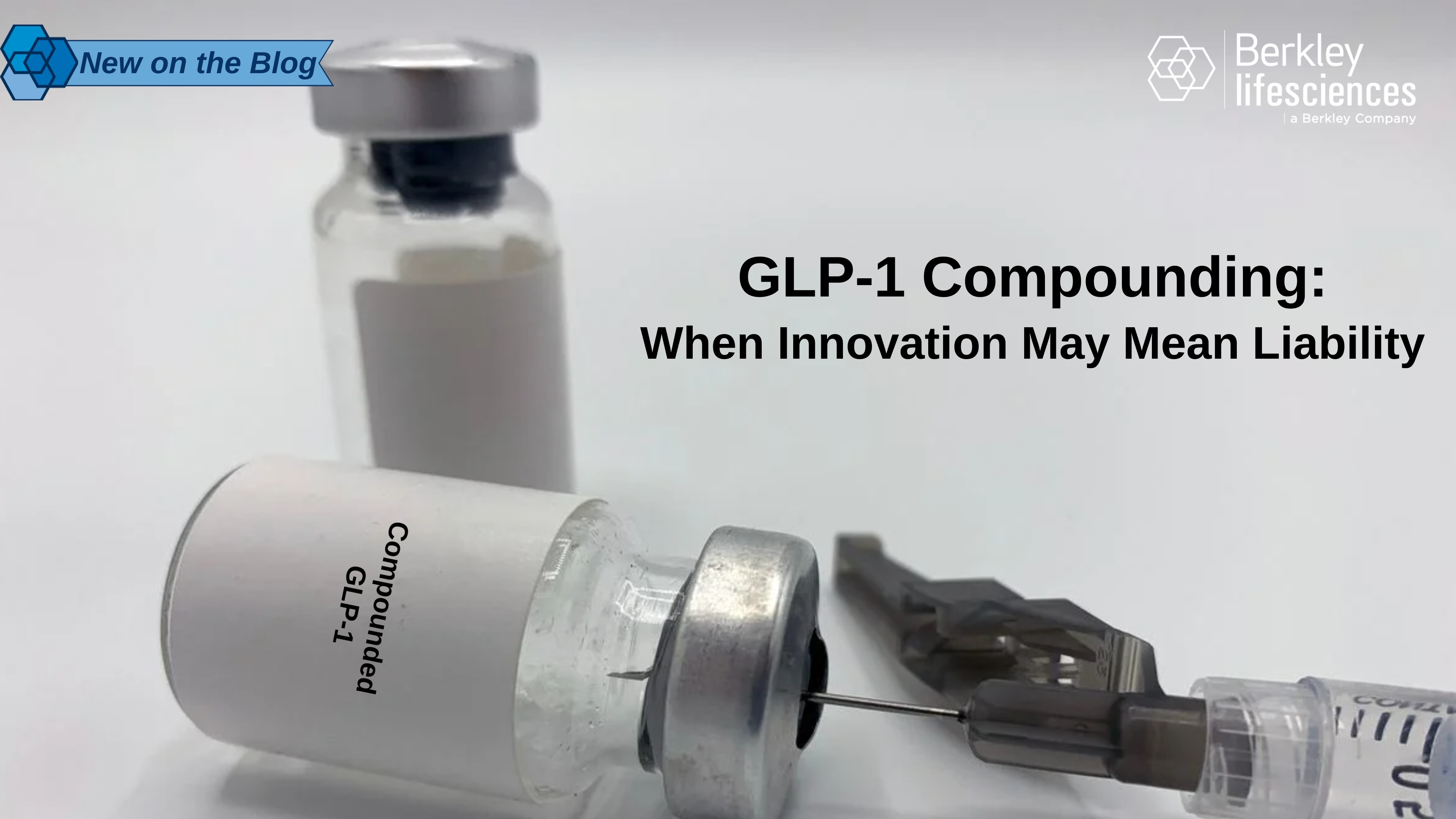
As previously reported on our blog, the rise of compounded GLP-1 medications has sparked both excitement and concern across the healthcare and legal landscapes. As demand for weight-loss treatments increases, some pharmacies have begun offering compounded versions of popular drugs like semaglutide and tirzepatide. These alternatives may appeal to patients seeking affordability or access during shortages, although they operate in a regulatory gray zone that is drawing increasing scrutiny from the FDA.
Market Problems Arising
Unlike FDA-approved drugs, compounded medications are not subject to the same rigorous testing for safety, quality, and efficacy. Under federal law, compounded medications may be prepared by state-licensed pharmacies for individual patients whose needs cannot be met by approved products or, in limited circumstances, while a product is on the FDA's shortage list—subject to strict conditions under Section 503A and 503B of the Federal Food, Drug, and Cosmetic Act. However, when compounded medications are marketed broadly and sold directly to consumers, they may fall outside the scope of traditional pharmacy practice and into potential legal jeopardy.
FDA Enforcement Actions and Safety Concerns
In September 2025, the FDA issued over 50 warning letters to compounders marketing GLP-1 products as “generic” equivalents to FDA-approved drugs. If a product has not been FDA-approved for a specific condition, it cannot be promoted as safe or effective for that condition. The FDA flagged marketing claims suggesting that compounded GLP-1s shared the same safety and efficacy profiles as their branded counterparts, noting that such labeling can mislead consumers and violate the Food, Drug, and Cosmetic Act.
The FDA also raised concerns about contamination, incorrect dosages, unapproved or harmful ingredients, and counterfeit components in compounded GLP-1s. These risks are heightened when products are distributed without proper oversight or prescriptions. For example, Hims & Hers received an FDA warning letter citing website language about compounded semaglutide that implied equivalence to FDA‑approved brand drugs. The agency emphasized that compounded products are not FDA‑approved and cannot be marketed as such. Misleading promotions may trigger enforcement actions, reputational harm, and litigation. Companies operating in this space may benefit from reviewing their promotional materials to ensure alignment with FDA expectations.
Adapting to Oral GLP-1 Concerns
The regulatory themes highlighted in the compounded space—accuracy in claims, proper oversight, and clear labeling—are equally relevant to oral GLP‑1 options. With the evolution of oral GLP-1 therapies, the healthcare landscape is shifting in ways that present both opportunities and responsibilities. While oral formulations offer the convenience of a pill compared to traditional injections, this shift also raises important compliance considerations. As the market expands, it is essential to ensure that convenience does not overshadow the need for patient engagement, proper use, and safety awareness. Clear communication and transparency between distributors and consumers will play a critical role in supporting informed decision-making and maintaining trust as these therapies become more widely available.
Looking Ahead
As the market evolves, stakeholders are watching for regulatory updates and court decisions that could reshape the boundaries of compounding. For now, the tension between innovation and compliance remains a defining feature of the GLP-1 landscape. For insureds across the life sciences ecosystem, a proactive approach to compliance, documentation, and transparent communication is essential.
Authored by Amily Farraj, Berkley Life Sciences Legal Intern