

Exploring the Gut-Brain Axis: How Microbiota Influence Neurodegenerative Diseases and Mental Health
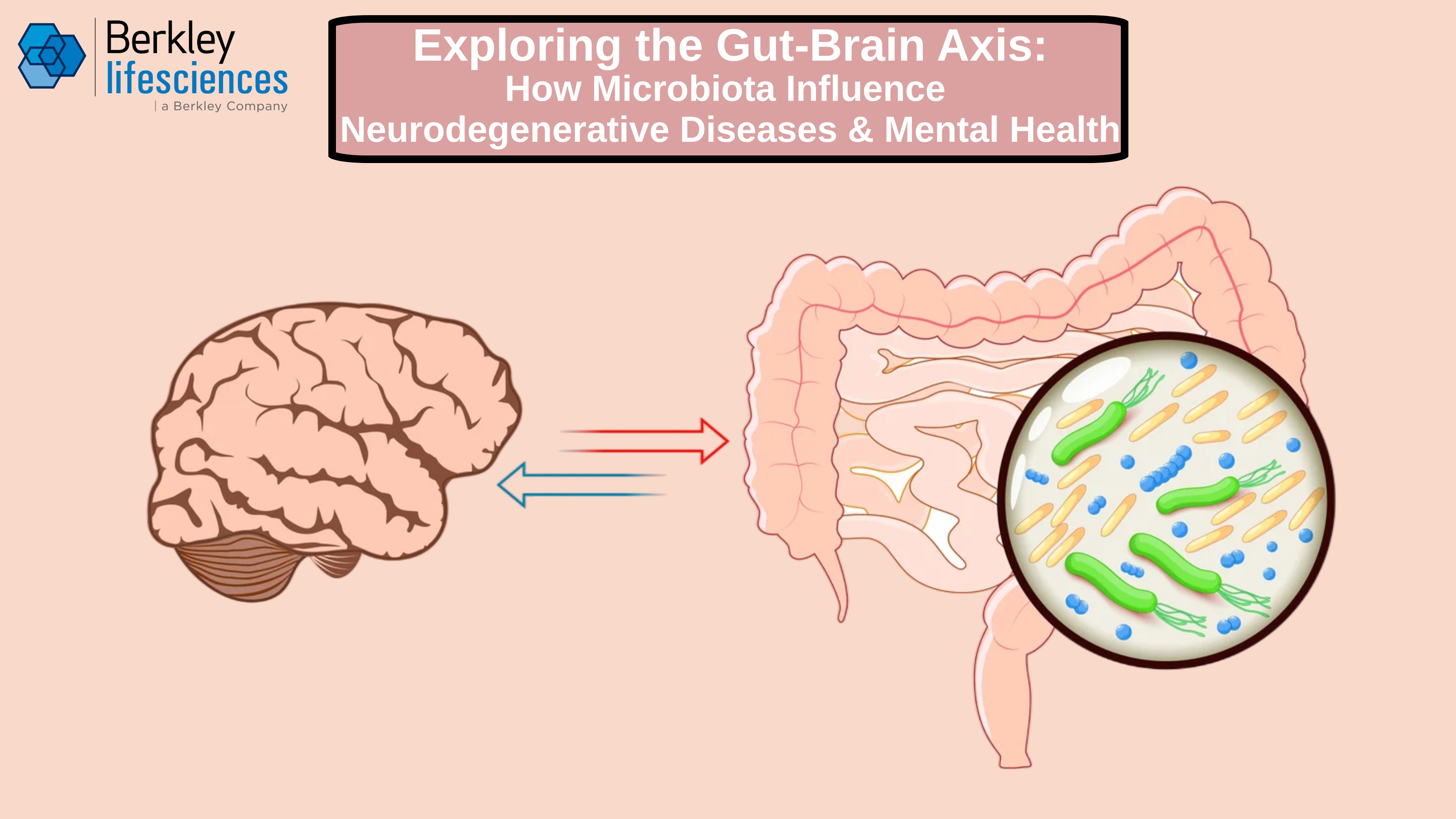
Researchers and physicians have historically taken a compartmentalized approach to medicine: neurologists treat conditions of the brain, gastroenterologists address concerns of the digestive system, and psychiatrists administer care for mental health. Seldom have these specialties intersected in meaningful ways. However, research over the past two decades suggests a paradigm shift toward heightened systemic medicine applications. Recent medical studies have begun to reveal that the nervous and digestive systems are more interconnected than previously believed. The brain and the gut are in constant conversation, and those messages may influence mood, memory, and even the risk of neurodegenerative disease. This two-way communication system is often referred to as the "gut-brain axis," and it could redefine how we think about brain health and future therapies.
Gut-Brain Communication
The vagus nerve acts as a major communication pathway between the viscera and the nervous system. Recent studies confirm that this cranial nerve transmits signals about the status of the gut, including microbiome composition, to the brain. In experiments with germ-free mice, eliminating intestinal bacteria significantly reduced vagal nerve activity. Upon reintroduction of gut bacteria, vagal nerve activity was restored, substantiating evident contact between the gut and the brain.
Microbiota-derived compounds act as chemical messengers that the gut sends to the brain via systemic circulation and neural pathways. Among the best-studied are short-chain fatty acids (SCFAs), produced when gut microbes ferment dietary fiber; bile acids, which are modified by bacteria; and tryptophan derivatives, which arise when microbes process the amino acid tryptophan from protein-rich foods. These molecules can activate vagal neurons that relay signals up to the brainstem, and they can modulate glial cells, the brain’s resident immune and support cells.
In healthy contexts, this signaling helps regulate inflammation, maintain the blood-brain barrier, and support neuroplasticity—the brain’s ability to adapt and learn. When the gut ecosystem is disturbed (e.g., by poor diet, infection, or antibiotics), the balance of these compounds becomes compromised. The body responds by increasing pro-inflammatory cytokines and stress responses, potentially pushing brain circuits toward dysregulation.
Mental Health
Emerging evidence associates digestive microbiomes with mental health. A recent study transplanted gut bacteria from both large- and small-brained primates into mice. The mice that received bacteria from large-brained primates showed increased expression of genes tied to learning and energy metabolism, while those that received microbes from smaller-brained primates exhibited different gene patterns associated with neurodevelopmental and psychiatric pathways. Although preliminary, this study further supports the correlation between gut microbiota and brain pathology.
Clinical research is beginning to translate these insights. Randomized trials suggest certain probiotic strains can reduce symptoms of depression and moderately ease anxiety when used in conjunction with conventional treatments, though effect sizes vary and heterogeneity is high. Restoring microbial balance through dietary fiber, fermented foods, and targeted prebiotics/probiotics (see BLS post on probiotics vs. live biotherapeutic products) may dampen inflammatory signaling and support hippocampal function, which reinforces memory formation and mood regulation. Some authors have explored possible links to psychosis risk, but evidence remains preliminary and not conclusive.
Neurodegenerative Diseases
In Alzheimer’s disease (AD), microbiota-derived metabolites such as SCFAs and lipopolysaccharides can activate microglia and are under investigation for their potential roles in amyloid-beta and tau-related pathways—hallmarks of the disease. Epidemiological and clinical studies indicate that targeting the microbiome with probiotics, prebiotics, or fecal microbiota transplantation (FMT) has shown early promise in reducing neuroinflammation and supporting cognition in preclinical and limited human studies , although in this context FMT for neurodegenerative diseases is still experimental and not widely adopted in clinical practice.
Parkinson’s disease research reveals similar associations. Higher levels of Streptococcus mutans, a common oral bacterium, have been reported in the digestive tracts of Parkinson’s patients. This microbe produces metabolites that may travel through the bloodstream, affect dopamine-producing neurons, and trigger inflammation, suggesting that oral health, in addition to gut health, may influence brain resilience. (Evidence is emerging and largely preclinical/early translational.)
Multiple sclerosis (MS) studies also point to gut involvement. In MS, the immune system mistakenly attacks the myelin sheath that insulates nerve fibers, slowing down the transmission of neural signals. The intestinal lining and the blood-brain barrier (BBB) normally protect the brain from instabilities. Emerging evidence indicates that in MS, these barriers can become more permeable—often described as “leaky gut” and BBB dysfunction—potentially allowing immune-activating molecules to circulate more freely and reach the central nervous system.
Conclusion
The gut-brain axis reshapes medicine by connecting microbial signals and neural pathways to mood, cognition, and neuroinflammation. Early clinical evidence supports probiotics as adjuncts for depression and anxiety in defined contexts, while preclinical work in Alzheimer’s, Parkinson’s, and MS points to microbiome-targeted strategies that may reduce inflammation and strengthen barrier integrity. As precision nutrition and defined microbial therapies mature in research and clinical trials, future care plans may integrate diet, microbiome profiles, and traditional treatments—coordinating gut and brain health to improve outcomes across mental and neurological disorders.
Authored by Elizabeth Krist, Berkley Life Sciences, Life Sciences Actuarial Intern