
New Article Now Available on the Life Sciences Industry Blog - Enduring Impact of the Middle East Conflict on the Life Sciences Industry

Stay Ahead in Life Sciences - Click here to subscribe to receive our complimentary blog - delivered directly to your inbox.

Supply Chain

Enduring Impact of the Middle East Conflict on the Life Sciences Industry

How the Middle East Conflict Triggered a Helium Shortage—and Threatens Global Life Sciences Supply Chains

The element helium is often associated with party balloons and novelty uses. However, the shortage of high-grade helium following the commencement of hostilities in the Middle East on February 28, 2026, presents a significant and underappreciated risk for the life sciences sector. The conflict has created a potentially long-lasting impact on the cost and availability of medicinal products and critical inputs such as helium, which is essential for the operation of certain medical devices.

Read More
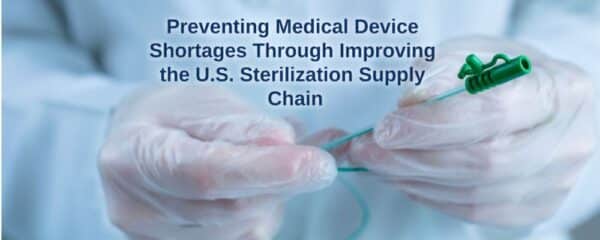

Preventing Medical Device Shortages Through Improving the United States Sterilization Supply Chain

A surgeon handles sterilized medical equipment

Both Ethylene Oxide (EtO) and gamma radiation are highly effective sterilizers for medical devices, but they face significant supply chain vulnerabilities that have already led to shortages within the United States. To mitigate these risks and bolster the sterilization supply chain, the FDA recently approved a new “Established Category A” sterilization method and implemented three key programs designed to encourage medical device manufacturers to adopt alternative methods, all within the last five years (FDA, 2024).


Read More

Navigating Pharmaceutical Supply Chain Challenges

two scraps of paper with the words Supply and Chain placed next to each other

Most life science organizations depend on efficient and uninterrupted supply chains. Manufacturers of pharmaceuticals, biologics, supplements, and devices rely on third-party relationships for component parts, active pharmaceutical ingredients, warehousing, and distribution services. Perhaps your organization depends solely on the manufacturing of your products by a third-party vendor. Research and Development operations rely on third-party relationships to provide crucial supplies such as specialized equipment, cell cultures, and genetically modified organisms.


Read More

Subscribe to Our Blog

Be the first to receive exclusive life science articles directly to your inbox. Monthly news articles include interviews, webinars and insights from life science experts.

The information you provide will be used in accordance with the terms of our privacy policy.

Opens email application

Opens in new tab