New Article Now Available on the Life Sciences Industry Blog - Digital Health at an Inflection Point: Innovation, Access, and Emerging Risk

Stay Ahead in Life Sciences - Click here to subscribe to receive our complimentary blog - delivered directly to your inbox.

News and Blog

Navigating the complex intersection of the life sciences industry and insurance


Through engaging articles from our industry experts, learn about cutting-edge research, breakthrough discoveries, regulatory compliance, risk management strategies, and much more.

Blog content is current only as of the publication date and may become outdated as laws, regulations, and industry practices evolve. This blog is for general informational purposes only and is not intended as legal or other professional advice. Links to third party websites are provided for convenience only and do not constitute an endorsement of any third-party products, services, or opinions. Berkley Life Sciences is not responsible for the content of external sites. Views expressed are those of the individual author and do not necessarily reflect the views of any Berkley company.

Our most recent News Releases

What is Combustible Dust & How to Prevent It

An exploding cloud of dust

The life science industry is not immune to the risk posed by combustible dust. Many pharmaceutical production processes, such as batching, compression, dispensing, granulating, and mixing, create dust hazards. Common airborne combustible dust particles which are a by-product of these operations, and may present an explosion risk if not controlled, include calcium, lactose, lithium, magnesium, potassium, sulfur, and sodium.


Read More

PFAS “Forever Chemicals” in Medical and Life Sciences Products – Who Should Be Worried?

A spatial 3d representation of a polymer

Per- and poly-fluoroalkyl substances (PFAS) are synthetic chemicals that may be toxic to human health. PFAS accumulate in the environment, such as in waterways, in the fish that swim in those waterways, and in public drinking water systems. Blood serum tests of male and female subjects between the ages of 12 and 80 found PFAS in 98% of those tested. Links have been established between human exposure to PFAS and adverse effects on the immune, endocrine, metabolic, and reproductive systems (including fertility and pregnancy outcomes) and an increased risk for cancer.


Read More

Defining Scientific Perishable Property: How to Evaluate and Protect it

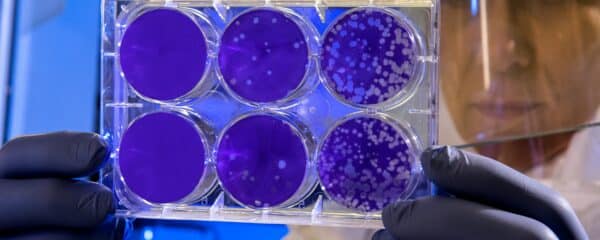
A lab worker examines 6 petri dishes for colonies of bacteria

Life Science organizations often maintain or work with perishable property critical to the company’s ongoing operations. Perishable property refers to a business’s personal property that is susceptible to spoilage, rapid decay, or deterioration, often due to an unwanted change in environmental conditions. Examples of perishable property used by life science companies include:


Read More

What the Increase in Decentralized Clinical Trials Means for Your Business

A micropipette is used to fill a 96-well plate in a clinical laboratory

Due to the pandemic, many ongoing clinical trials have faced disruptions due to restrictions on participant travel. As a result, researchers and sponsors quickly adapted their trial protocols to incorporate remote and decentralized approaches. This led to increased adoption of DCTs across a wide range of therapeutic areas. This article discusses the development of decentralized clinical trials and how companies can benefit from their increased prevalence.


Read More

Opens email application

Opens in new tab