Resources
Explore our resource media library of life sciences-focused articles, white papers, fact sheets, and webinars - contributed by...
The Berkley Life Sciences Claims Team combines proactive collaboration and specialized expertise to guide you through every step...
With deep life sciences expertise, Berkley Life Sciences specialists tailor risk management insurance programs that are unique...
We are your specialized life sciences insurance partner, offering brokers and agents collaborative underwriting, in-house claims...
Our leadership team leverages decades of industry expertise to craft innovative solutions for the unique challenges of the life...
At Berkley Life Sciences, our employees experience autonomy, growth, support, and access to all levels of leadership to drive...
Berkley Life Sciences is solely dedicated to providing premiere insurance coverage for today's top life sciences companies...

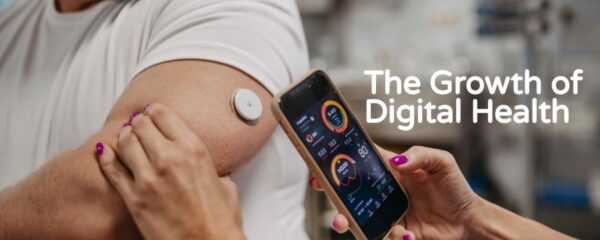
Digital health technology is experiencing a period of unprecedented growth and innovation. The global digital health market is projected to expand from $309B in 2023 to $1,019B by 2032 with a Compound Annual Growth Rate (CAGR) of 12%. Europe is reportedly the largest market, while Asia Pacific is the fastest-growing region. Although many factors contribute to this significant market growth, advancements in robotics, artificial intelligence, and remote monitoring devices stand out as primary driving forces.

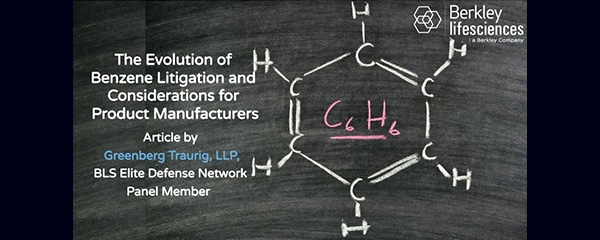
This blog post discusses the origin of benzene litigation, how third-party research and subsequent citizens petitions drive modern benzene claims, and steps manufacturers can consider in assessing risk and preparing to defend against potential benzene lawsuits.

You may remember the internet postings during the height of the COVID pandemic touting hydroxychloroquine, a drug approved by the Food and Drug Administration (FDA) for the treatment of malaria and rheumatologic disease, as a prophylactic or even a cure-all for COVID-19. The postings, many initiated by celebrities such as Elon Musk and Dr. Oz and by social media “influencers,” referenced a now discredited, nonrandomized, 36-patient study on YouTube. COVID misinformation campaigns like this, trumpeting off-label use of an approved drug, took a deadly turn, as some infected patients elected to reject physician-recommended treatments or vaccination based upon the belief, encouraged by social media, that hydroxychloroquine and similar unproven treatments such as ingesting borax, were the ultimate answer.
Opens email application
Opens in new tab